
The Three-Decker Anchor
A Snap of the Brim, A Pulse of the Past

I cherish our regular gatherings — my brother, my cousins, and I. We are a tight family, forever anchored by the three-decker home on Wealth Avenue in Providence where we grew up in the 1940s and 50s. ***
What a nice setup. My parents, Peter and Anna lived with my brother Peter and me on the third floor. My grandparents held the second and my cousins ---- Bill, Steve Carolyn and their parents, Della and Carlo, on the first.
Our mutual love and understanding from those days have lasted for decades. We share a rare peace . . . no discord, no hostilities, no jealousies.
Nowadays, we remain in close touch, meeting for lunch or at unique times to bridge the years. What do we discuss? We catch up on children, grandchildren or our health status, but really, it’s just about the good old days; nostalgically returning to bygone years as we laugh and sometimes cry; with emotion, with humor.
At a recent lunch, we wore hats, I’m not sure why. Perhaps it was the symbolism of the hat, or maybe because hats protected our memories, or maybe just because we wanted to be a bit goofy. After all, isn’t “goofy love” the very foundation of our bond?
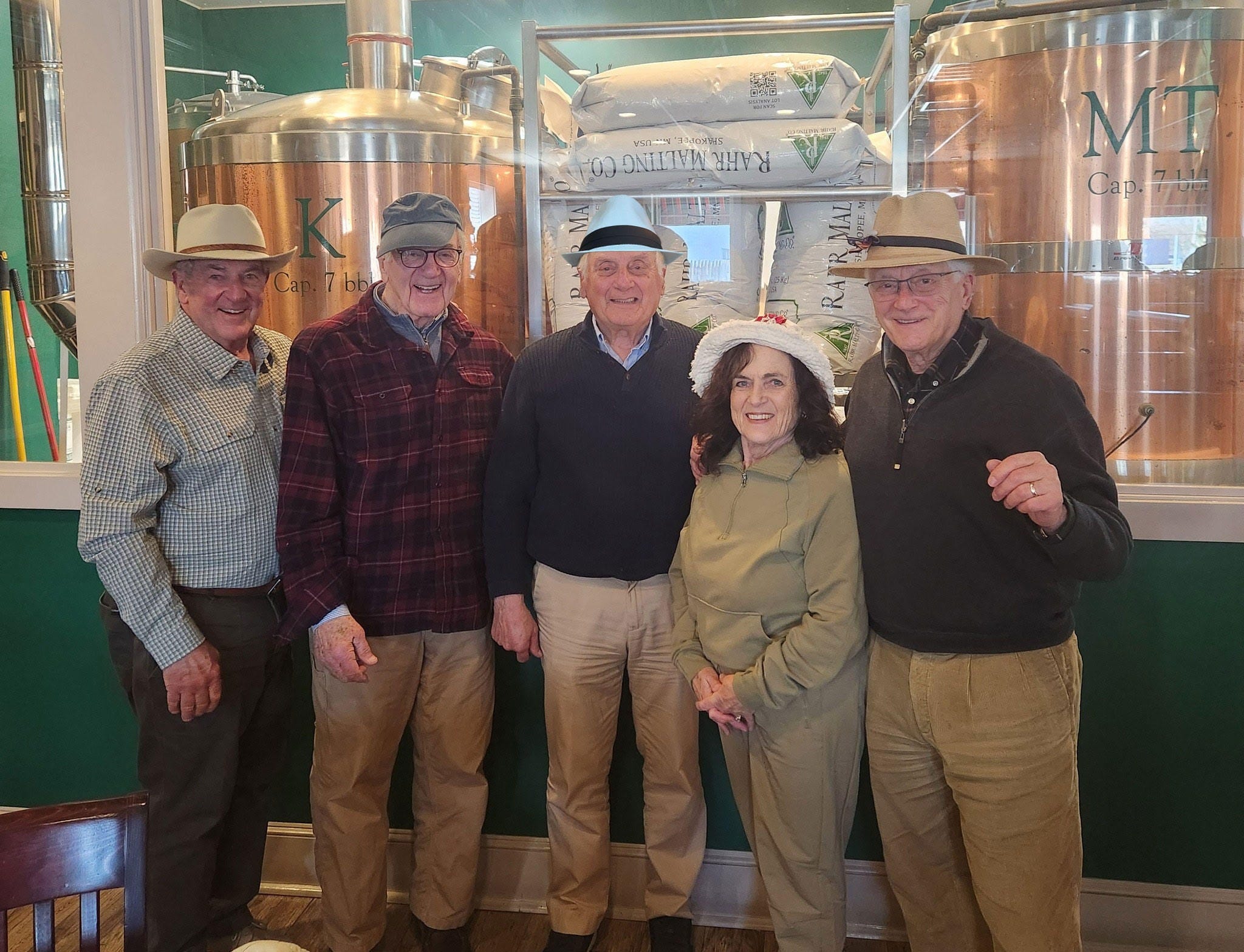
Or maybe we wore them because we remember a world where everyone did.
Up until the late forties, a hat was a necessity, but fine hats have fallen out of fashion for several reasons; jobs and lifestyles changes, shifting fashion and tastes, the upheaval of youth in the late 1950s and 1960s. Who knows for sure? But we still remember.
There were the days when men wore real hats. No, not baseball caps. No, not backward. No, not while dining.
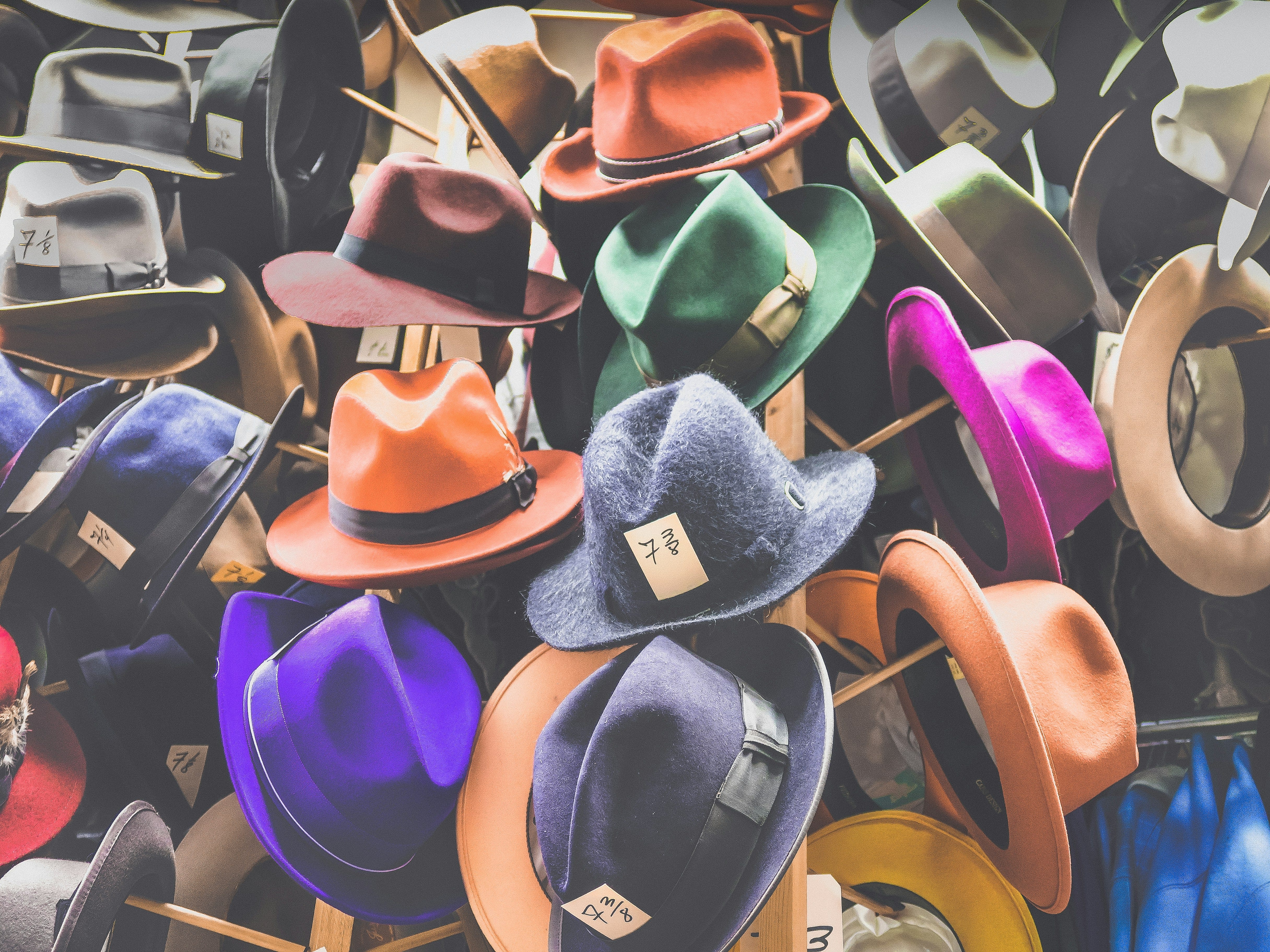
They wore classy felt fedoras with brims tipped downward, or Panama hats curved modestly over the forehead. It might have been to keep the sun and the rain off their heads but, more likely, it was simply a fashionable part of their dress, part of a culture which lent style to the day; a badge of pride when they went to work, to a restaurant, to the theater, or to church.
For our lunch I tried a pork pie hat with a turned-up brim and a flat crown. It was popular with both men and women in the mid-19th century.
I turned the ridge down, shaping it like the fedora. It felt good to snap the brim. It felt right to tip my hat to a passerby, just as our fathers once tipped their hats to a lady.
Wearing hats served multiple purposes; protection from the weather; as a fashion accessory; to signify social, cultural, or professional status.
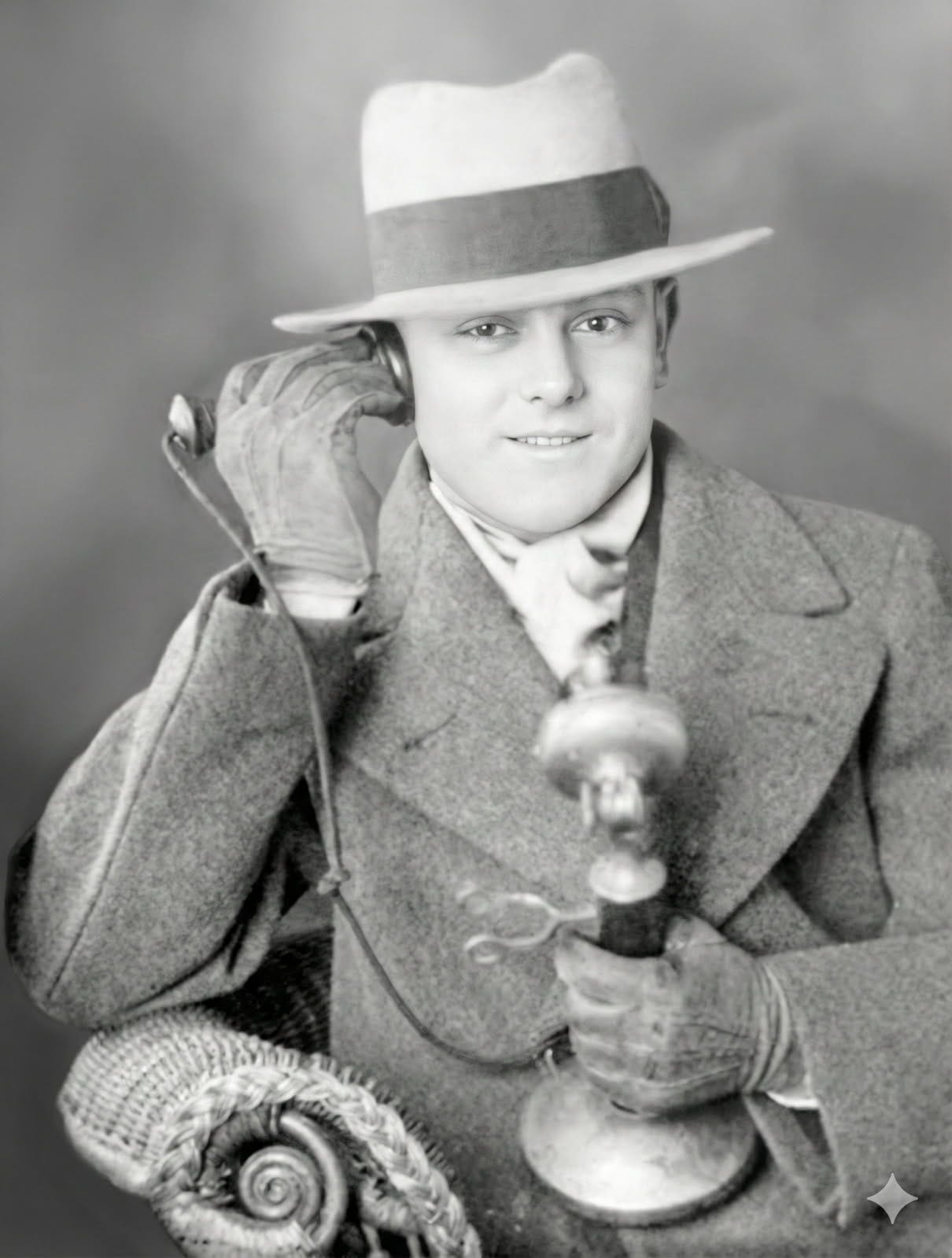
What can you do with a group like this? What can you do? Why, wear hats of course.
We didn’t wear them for status or protection that day. We wore them to be playful, to share another story, and to add one more memory to the list for next time. We sat there—collected, happy, and bound by something much stronger than the felt on our heads.
*** After our grandparents passed away, our parents sold the family home and built new houses side-by-side in Mt. Pleasant, ensuring the three-decker spirit lived on.

© 2026
That "Anchor" represents home and love. You are so fortunate to have grown up with extended family all around and the cohesive bond that still exists among cousins is priceless. Love those hats...keep having fun. Your parents and grandparents would be proud.
Ed,
Great story as always. My people called three-deckers "Irish Battleships." The point is, we all walk the same mile through life. I must say that, as good as the story was, the picture of 'Young Dad' is priceless. He needed to be in a movie with Edward G. Robinson back in the day. He was born for the big screen!
Ned O'Donnell