
From Postage to Protein: A Lick of Curiosity
With a touch of insect eating. Down the cricket hole . . .

I first published this story in GoLocalProv. Editor Fenton said it was one of his favorites. Thanks, Josh.
What is the absolute weirdest or most unexpected rabbit hole you’ve ever found yourself lost in while doing your research?
Well, match this.
I was licking a stamp, wondering how many calories there were in the lick. No, I don’t have an eating disorder. And yes, I was about to call my psychiatrist. Nah, forget it.
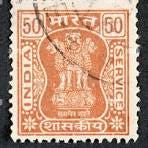
Though I may be a bit obsessed, I don’t think I’m irrational. Nonetheless, I was derailed when looking up the answer. This happens often, and here’s how.
When I do research at the library, the historical society or on the web, I need to be careful that I don’t get caught up drifting down the lane of something interesting, off target, in a rabbit hole, not necessarily related to my curiosity or my task. I do that too often.
And precious time passes.
Most of the time, I can pry myself away, but not this time, not this topic.
While I was looking up the calorie content of stamp glue, insects sneaked onto the screen. Well, not a live, inquisitive insect, but creatures distracting enough to hook me on how many calories there are in insects. Eating insects is popular, even necessary in some cases, so calorie counters want to know.
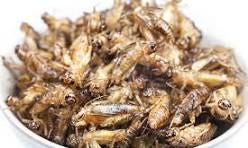
Entomophagy, insect eating, is a widespread practice for over two billion Latin Americans, West Africans, and Southeast Asians. Though entomophagy may be worthy, practical, and perhaps necessary, it is not for me. I cannot tolerate the consistency of simple fat, so eating insects is out of the question. I harbor a mental resistance that elicits a deep feeling of revulsion
Another call to my psychiatrist.
The nutritional density of insects could prove to be an effective solution for feeding a growing global population. There are many to eat… locusts, crickets, grubs, grasshoppers and more.
How about guacamole seasoned with ants, or a plate of fried crickets smothered in onions? Or adding the combo to a frittata.
Insects are a useful source of protein and vitamins: 100 grams of crickets (½ cup) contains approximately 121 calories, 13 grams of protein, 5.5 grams of fat, 5 grams of carbohydrates and more iron than an equivalent serving of spinach.
OK, sorry for my distraction. Forget the insects for the moment if you can, and let’s get back to the stamps.
Licking the back of a postage stamp may seem a perfectly innocuous activity but lick enough of them and the calories may start to add up, especially if the stamps are large. Well, not quite.
You can rest easy and skip the extra flossing because that 14-calorie figure is a legend!
Since it takes a tiny bit of physical effort to lick, you may burn roughly the same amount of energy as the glue provides, making it a perfectly net-neutral activity.
The content in the adhesive of an average U.S. postage stamp is about 1/10th calorie, about the same amount you burn by licking it.
To compare, you can burn twelve calories when brushing your teeth. So, if you brush your teeth after you lick the stamp, you may be even, or maybe ahead, in calories burned, especially if you floss.
So here I am, someone who wanted to know something simple, calories in a stamp, spiraling down the web in the absorbing vortex of insect consumption.
I apologize for sidetracking you but, then again, maybe I gave you something to ‘chew-on,’ maybe even digest.
** Copyright 2026